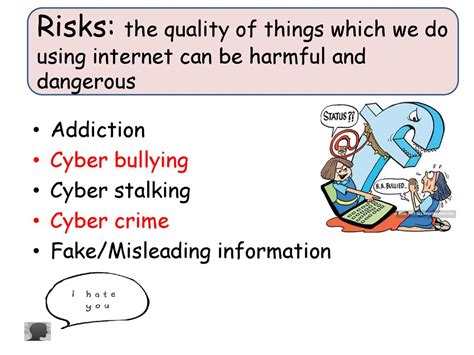
As the digital landscape continues to evolve, online security has become a pressing concern for individuals and organizations alike. The rise of cyber threats has led to an increase in online risks, making it essential to take proactive measures to protect oneself. In this article, we will discuss 10 Itsakaitiecali leaks to avoid online risks, providing you with the necessary knowledge to navigate the digital world safely.
Understanding Online Risks
Online risks can take many forms, including phishing attacks, malware infections, and data breaches. These risks can result in significant financial losses, compromised personal data, and damage to one’s online reputation. To avoid these risks, it is crucial to be aware of the common pitfalls that can lead to online vulnerabilities. Staying informed is key to protecting oneself from online threats.
1. Weak Passwords
Using weak passwords is a common mistake that can lead to online risks. Strong passwords that are unique and complex can help prevent unauthorized access to your online accounts. It is recommended to use a password manager to generate and store secure passwords. A study by Security Magazine found that 60% of users use the same password across multiple accounts, making them vulnerable to password cracking attacks.
| Password Strength | Vulnerability Level |
|---|---|
| Weak (e.g., "password123") | High |
| Medium (e.g., "P@ssw0rd") | Medium |
| Strong (e.g., "Giraffes#Lions88!") | Low |
2. Outdated Software
Failing to update software and operating systems can leave you vulnerable to online risks. Outdated software can contain known security vulnerabilities that can be exploited by attackers. It is essential to regularly update your software and operating systems to ensure you have the latest security patches. A report by Cybersecurity Ventures found that 60% of breaches involve unpatched vulnerabilities.
3. Public Wi-Fi
Using public Wi-Fi can be convenient, but it can also pose significant online risks. Public Wi-Fi networks are often unsecured, making it easy for attackers to intercept your data. It is recommended to use a virtual private network (VPN) when accessing public Wi-Fi to encrypt your internet traffic. A study by Kaspersky Lab found that 34% of users have fallen victim to public Wi-Fi attacks.
4. Phishing Attacks
Phishing attacks are a common online risk that can result in significant financial losses. These attacks typically involve fraudulent emails or messages that appear to be from legitimate sources. It is essential to be cautious when clicking on links or providing sensitive information online. A report by APWG found that 65% of organizations have experienced phishing attacks.
5. Malware Infections
Malware infections can compromise your personal data and damage your device. These infections can occur through infected software downloads or malicious emails. It is recommended to use anti-virus software to protect your device from malware. A study by McAfee found that 40% of users have experienced malware infections.
6. Data Breaches
Data breaches can result in significant financial losses and compromised personal data. These breaches can occur through unsecured databases or stolen devices. It is essential to monitor your accounts regularly for suspicious activity. A report by IBM found that 60% of breaches involve stolen or compromised credentials.
7. Unsecured Devices
Leaving devices unsecured can pose significant online risks. Unsecured devices can be easily accessed by attackers, compromising your personal data. It is recommended to use strong passwords and enable device encryption to protect your devices. A study by Ponemon Institute found that 50% of users do not secure their devices.
8. Social Engineering
Social engineering attacks can result in significant financial losses and compromised personal data. These attacks typically involve manipulating individuals into divulging sensitive information. It is essential to be cautious when interacting with others online and to verify the identity of individuals before providing sensitive information. A report by FBI found that 20% of organizations have experienced social engineering attacks.
9. Insecure Online Behavior
Engaging in insecure online behavior can pose significant online risks. This behavior can include using public computers to access sensitive information or clicking on suspicious links. It is recommended to avoid using public computers for sensitive activities and to be cautious when clicking on links. A study by Symantec found that 30% of users engage in insecure online behavior.
10. Lack of Online Security Awareness
A lack of online security awareness can pose significant online risks. It is essential to stay informed about online threats and to educate yourself on online security best practices. A report by SANS Institute found that 70% of organizations do not provide adequate online security training to their employees.
What is the most common online risk?
+The most common online risk is phishing attacks, which can result in significant financial losses and compromised personal data.
How can I protect myself from online risks?
+You can protect yourself from online risks by using strong passwords, keeping your software up to date, being cautious when clicking on links, and using anti-virus software.
What is the importance of online security awareness?
+Online security awareness is essential to protecting yourself from online risks. It involves staying informed about online threats and educating yourself on online security best practices.
